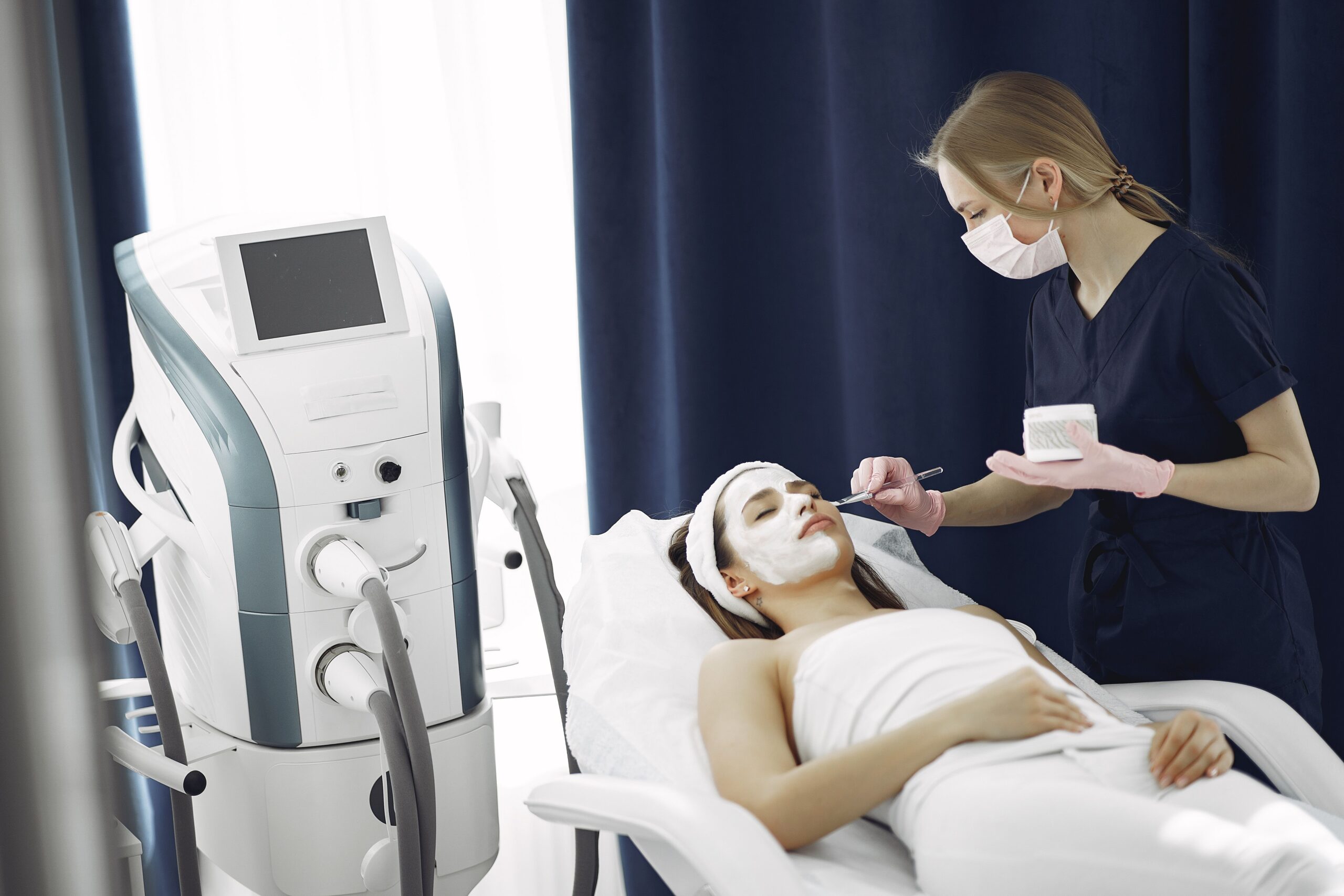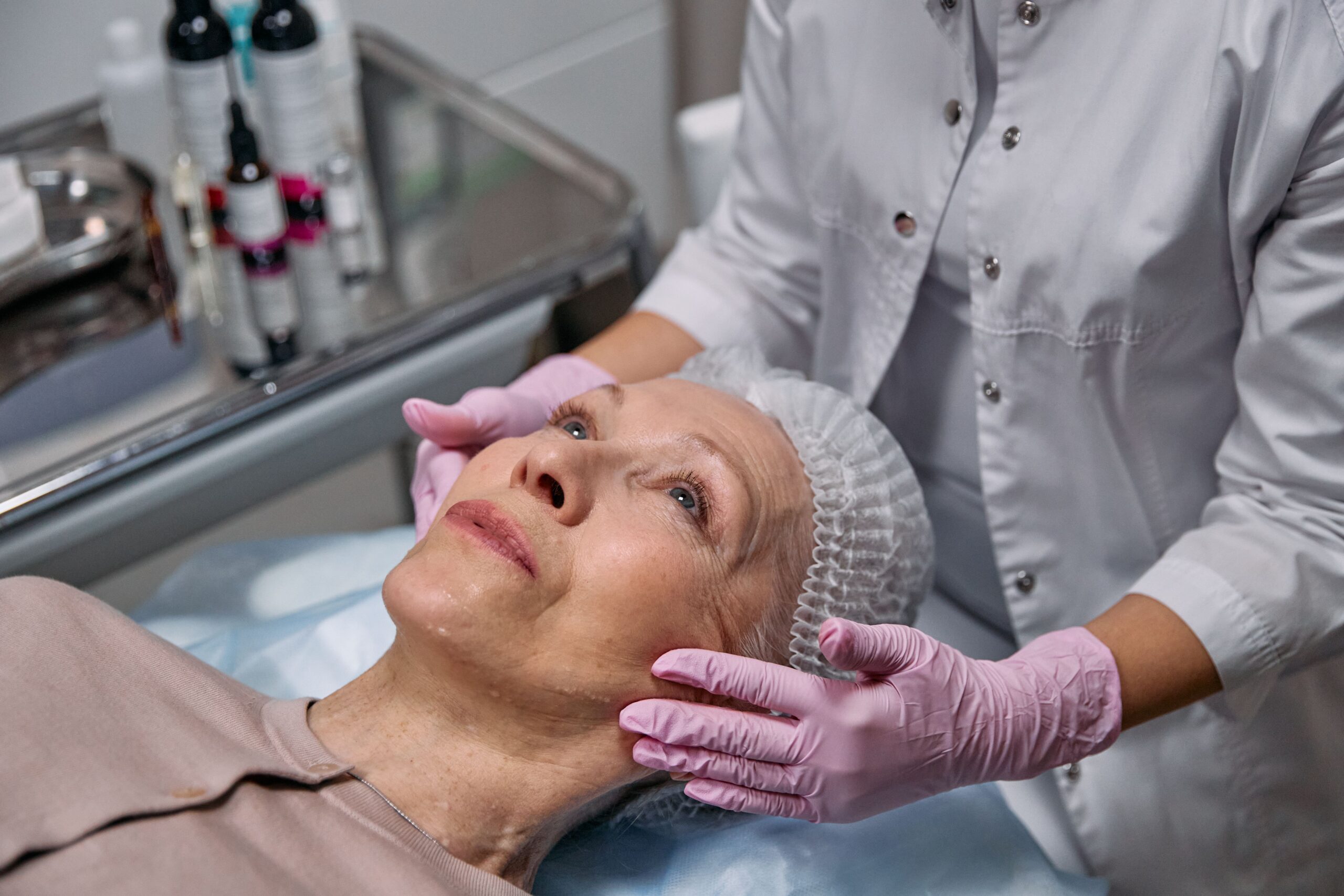
A typical commission structure at a medical spa combines a guaranteed hourly base wage ($20 to $35+ per hour) with service performance commissions or tiered volume bonuses (5% to 20% of generated revenue), retail skincare commissions (10% to 20%), and client gratuities. Because medical spa services carry higher ticket values than traditional day spa treatments—and because state medical boards regulate how medical fees are split—most compliant Texas med spas utilize W-2 hybrid pay structures or flat per-treatment bonuses rather than pure commission-only splits.
Transitioning into the medical aesthetics industry offers tremendous financial potential, schedule flexibility, and clinical satisfaction. Across Texas, medical spas, laser centers, cosmetic dermatology practices, and plastic surgery clinics are consistently recruiting credentialed laser technicians, clinical aestheticians, and nurse injectors. For prospective students and practitioners evaluating job offers, understanding how medical spas calculate compensation is essential to negotiating a strong offer and maximizing take-home income.
Unlike traditional retail jobs or standard day salons that pay flat hourly wages, medical spas operate on high-margin, cash-pay aesthetic procedures. To reward clinical productivity, patient retention, and package conversions while maintaining payroll predictability, employers rely on structured incentive models. At Empower Health & Aesthetics Institute, our mission is to prepare students not only with accredited clinical training and state licensure, but also with the practical industry awareness needed to navigate medical spa careers with confidence.
The Four Core Compensation Models in Medical Spas
When reviewing employment contracts across North Texas and the broader aesthetic market, nearly all compensation agreements fall into one of four structural frameworks. Understanding the mechanics of each model helps you evaluate risk, stability, and income upside.
| Compensation Model | How It Works | Typical Rate / Split | Best Suited For |
|---|---|---|---|
| 1. Hourly Base + Commission (W-2 Hybrid) | Guaranteed hourly rate for all clock hours plus percentage commission or bonus on treatments and retail sales. | $20 – $35+/hr base + 5% to 15% service + 10% to 20% retail | Full-time laser technicians, medical aestheticians, and W-2 clinical staff (Industry Standard). |
| 2. Tiered Revenue / Volume Bonus | Base hourly wage plus escalating bonus payouts once monthly treatment or sales thresholds are crossed. | Base pay + $200 to $1,500+ monthly tier bonuses | High-volume clinics and states with strict medical fee-splitting compliance rules. |
| 3. Flat Per-Treatment Bonus | Base salary or hourly wage paired with a fixed dollar bonus for each completed procedure, regardless of discounts. | Base pay + $15 to $75 flat bonus per completed procedure | Nurse injectors (RNs/APRNs) and medical providers performing neurotoxins or fillers. |
| 4. Commission-Only / Revenue Split (1099) | No hourly base pay; practitioner retains a percentage of net service revenue after supply costs. | 35% to 50% split of net procedure revenue | Independent contractors with established patient books who control their own schedules. |
1. The W-2 Hybrid Model: Hourly Base Plus Commission
The W-2 hybrid structure is the most common and balanced compensation model in established Texas medical spas. Under this arrangement, the clinic pays a guaranteed hourly base wage for every hour you are on-site—covering patient consultations, treatment room preparation, charting, device sanitization, and administrative tasks.
On top of that base rate, technicians earn performance incentives:
- Service Commissions (5% to 15%): Earned on completed procedures or sold treatment packages. Because a multi-session laser hair reduction package frequently sells for $1,200 to $3,500, even a 10% commission adds significant weekly earnings.
- Retail Skincare Commissions (10% to 20%): Earned on medical-grade sunscreens, barrier creams, cleansers, and corrective serums recommended during patient consultations.
- Client Gratuities: In private luxury med spas, clients routinely tip their providers, often contributing an extra $8 to $20 per treatment hour.
2. Tiered Performance and Volume Bonuses
Many multi-location aesthetic practices utilize tiered bonus brackets rather than flat percentage cuts. For example, a technician might earn $25 per hour base pay plus a 5% service bonus up to $15,000 in monthly treatment revenue, jumping to 8% once monthly production crosses $15,000, and 10% above $25,000. This motivates clinicians to build repeat client retention and upsell combination treatment plans without feeling pressured to push unnecessary services.
3. Flat Per-Procedure Bonuses (Medical Compliance Standard)
In states with strict corporate practice of medicine and fee-splitting statutes—including Texas—paying licensed medical providers (such as Registered Nurses or Nurse Practitioners) a direct percentage of medical procedure fees can trigger regulatory scrutiny from state medical and nursing boards. To remain compliant while rewarding productivity, many medical spas compensate nurse injectors with a strong hourly base rate ($40 to $65+ per hour) paired with a flat dollar bonus per treatment (for instance, $25 per neurotoxin visit or $50 per dermal filler syringe administered).
4. Commission-Only Splits (1099 Independent Contractors)
Some boutique aesthetic studios operate on a 1099 independent contractor model, offering a 40% to 50% revenue split with zero hourly base pay. While a 50% split appears attractive on paper, practitioners should evaluate it carefully: if a clinic has slow booking days, you earn nothing for sitting in the lobby, and as a 1099 contractor, you must cover your own self-employment taxes, liability insurance, and supplies. Furthermore, under federal and state labor rules, a clinic cannot legally classify you as a 1099 contractor if they dictate your mandatory shift hours and clinical protocols.
Commission Benchmarks by Role and Credential
Compensation structures vary substantially depending on your clinical scope of practice, state credentials, and the profit margins of the treatments you deliver.
| Clinical Role | Typical Base Wage | Service Commission / Bonus | Retail Commission | Estimated Total Annual Pay |
|---|---|---|---|---|
| Laser Hair Removal Technician | $22 – $32 / hr | 5% – 15% on treatments & packages | 10% – 20% | $52,000 – $78,000+ |
| Senior Laser Tech / Clinical Lead | $30 – $38 / hr | 8% – 15% + team supervisory bonuses | 15% – 20% | $72,000 – $92,000+ |
| Medical Aesthetician (Skin Therapies) | $22 – $30 / hr | 5% – 12% on peels, microneedling, IPL | 10% – 20% | $50,000 – $75,000+ |
| Nurse Injector (RN / APRN) | $42 – $65+ / hr | Flat per-visit bonuses or 10% – 20% compliant incentive | 10% – 15% | $110,000 – $165,000+ |
How Texas Regulation Shapes Your Earning Potential
In Texas, your ability to command top base wages and lucrative commission tiers is tied directly to your official state licensing standing. Cosmetic Class IIIb and Class IV lasers and Intense Pulsed Light (IPL) devices are regulated under Title 16 of the Texas Administrative Code (16 TAC Chapter 118) by the Texas Department of Licensing and Regulation (TDLR).
TDLR enforces a four-tier credentialing ladder:
- Level 1: Apprentice-in-Training (AIT): Completed 40 hours of didactic coursework. Must be physically shadowed on-site for every procedure. Because an apprentice cannot generate independent treatment revenue, practices rarely offer commission structures at this tier.
- Level 2: Laser Hair Removal Technician: Completed 100 documented hands-on clinical treatments under direct supervision. Authorized to treat clients independently under clinic protocols, qualifying you for standard technician base pay plus service and retail commissions.
- Level 3: Senior Laser Hair Removal Technician: Completed 100 additional treatments (200 cumulative minimum) and senior coursework. Authorized to supervise junior apprentices on-site, unlocking lead technician pay and supervisory bonuses.
- Level 4: Laser Hair Removal Professional: Passed a proctored state exam. Authorized to act as facility Laser Safety Officer (LSO), direct clinical safety protocols, and audit state logs, commanding clinic director compensation.
To examine the exact clinical privileges and supervision rules associated with each tier, review our comprehensive guide on how the four TDLR certification levels differ.
Net vs. Gross Commission: Critical Contract Details to Check
When reviewing a med spa employment agreement, never look solely at the commission percentage—look at what number that percentage is multiplied against. Two offers both advertising “12% service commission” can yield drastically different paychecks depending on fine print:
- Gross Revenue vs. Net Revenue (After Consumables): Some clinics deduct disposable supply costs (such as cryogen canisters, microneedling needle cartridges, or laser handpiece tips) from the treatment price before calculating your commission. Clarify whether your percentage is calculated on gross client spend or net profit after supply deductions.
- Package Sales vs. Redeemed Sessions: When a patient purchases a $2,400 six-session laser package upfront, ask whether you earn the commission on the day the package is sold or incrementally as each individual session is performed.
- Membership Credits and Promotional Discounts: Many med spas offer monthly membership subscriptions or seasonal promotional discounts. Verify how commissions are calculated when a client pays using banked membership credits or discounted promotional vouchers.
- Chargebacks and Refunds: Confirm how the clinic handles commission adjustments if a client cancels a package mid-series and receives a prorated refund.
How Stacking Skills Multiplies Your Commission Income
The highest-earning practitioners in Texas medical spas rarely rely on a single procedure. Clinics favor versatile clinicians who can evaluate a patient’s skin comprehensively and deliver integrated, multi-modality treatment plans:
1. Starting with Accredited Laser Licensure
Building a high-commission career starts with earning your unrestricted Technician license so you can operate treatment rooms independently on day one. Students begin with our 40-hour Level 1: Laser Hair Removal Apprentice Didactic course to master laser physics, selective photothermolysis, and ANSI Z136.3 safety standards, followed by our intensive Level 2 Clinical Practicum program where Empower supplies live patient models to complete all 100 required clinical treatments.
2. Advancing to Senior & Professional Leadership
Working technicians increase their base pay and management bonuses by completing our 8-hour Level 3: Senior Laser Hair Removal Technician Course and earning top-tier status through our Level 4: Professional Exam Course. Empower is an officially approved TDLR Certifying Entity, administering the proctored state examination directly on campus.
3. Cross-Training in Clinical Skincare & Injectables
Adding certifications in advanced medical spa clinical skin therapies—such as chemical peels, microneedling, dermaplaning, and IPL photofacials—enables you to alternate hair removal appointments with high-margin skin rejuvenation procedures. Licensed medical professionals (RNs, NPs, PAs) can also complete specialized hands-on medical aesthetic injectables training in neurotoxins and facial anatomy.
Accreditation and Career Support at Empower
Securing top-tier compensation packages starts with training at an institution that medical directors and aesthetic clinic owners respect. Empower Health & Aesthetics Institute holds institutional accreditation from the Texas Workforce Commission (TWC), assuring that our clock hours, physical clinical suites, and instructor credentials adhere strictly to Texas Education Code standards.
All students qualify for an Empower Internship after certification, providing post-graduate clinical access and mentorship, while graduates gain direct entry into the Empower Network of hiring medical spas, dermatology clinics, and plastic surgeons across Dallas–Fort Worth. To explore transparent tuition options, review our detailed guide on the cost of laser hair removal certification in Texas or browse our complete courses and pricing catalog.
Checklist: Questions to Ask About Pay During Med Spa Interviews
Before signing an employment offer at any medical spa, ask these five clear questions:
- “Is this a W-2 employee position with a guaranteed hourly base rate, and what is the base wage during non-treatment hours?”
- “Are service commissions calculated on gross treatment price or net revenue after supply deductions?”
- “For multi-session treatment packages, is commission paid upon sale or as each treatment session is redeemed?”
- “What is the commission percentage on medical-grade retail skincare sales, and are there monthly sales thresholds?”
- “Does the clinic policy allow client gratuities, and how are tips distributed?”
Launch Your High-Earning Aesthetics Career at Empower
Understanding how medical spa commission structures operate empowers you to choose the right clinical specialty, negotiate fair compensation, and build a lucrative career in aesthetic medicine. Reaching top earning tiers starts with receiving accredited, hands-on training that prepares you to treat patients safely and independently from day one. Empower Health & Aesthetics Institute offers modern campuses in Dallas and Fort Worth featuring commercial multi-wavelength laser suites, live patient models, and experienced faculty dedicated to your professional success. Visit our admissions and campus visit page to learn about upcoming course schedules, discuss flexible tuition financing, or schedule an in-person facility tour. When you are ready to build a thriving career in medical aesthetics, connect directly with Empower Health & Aesthetics Institute or call our admissions team today at 214-272-0026.