For hands-on aesthetic laser training, clinical class sizes should strictly be limited to small groups of 2 to 4 students per instructor and device. While lecture-based theory can accommodate larger cohorts, practical laser operation involves Class IIIb and Class IV medical devices capable of causing permanent ocular injury or thermal skin damage. Small group settings guarantee that every student receives dedicated, uninterrupted handpiece time, live corrective feedback on beam angles and contact cooling, and authentic patient charting under direct clinical supervision.
Entering the medical aesthetics industry offers tremendous career potential. Across Texas, medical spas, cosmetic dermatology clinics, and plastic surgery centers are constantly looking for skilled, confident practitioners who can perform energy-based hair reduction safely and efficiently. However, the quality of your education depends heavily on the physical environment where you learn. Operating a cosmetic laser is not a theoretical exercise—it is a physical, clinical discipline requiring spatial judgment, ergonomic control, and immediate tissue assessment.
A frequent dilemma prospective students face when researching programs is cohort density: How small should class size actually be for hands-on laser training? In overcrowded academies, students often find themselves standing three rows deep in a crowded room, watching an instructor demonstrate pulses on a single volunteer while barely touching the equipment themselves. At Empower Health & Aesthetics Institute, education is built on personalized mentorship and small clinical cohorts, ensuring every student acquires genuine muscle memory and real-world competence.
The Physical Realities of Operating Cosmetic Lasers
Cosmetic lasers and intense pulsed light (IPL) devices emit concentrated, non-ionizing optical radiation. Unlike applying topical skincare or performing manual extractions, delivering optical energy to human skin carries biological risks. If handpiece speed, angle, or cooling mechanisms are mismanaged, the patient risks blistering, permanent hypopigmentation, hyperpigmentation, or scarring.
These clinical realities dictate why small group training is an absolute educational necessity:
- Direct Perpendicular Alignment: Laser energy must enter the epidermis at a 90-degree perpendicular angle to maximize follicular absorption and prevent surface reflection. In a small group, an instructor observes hand positioning from inches away, correcting tilt before pulses are triggered.
- Continuous Epidermal Cooling: Modern devices utilize integrated sapphire contact chill plates, cryogen sprays, or forced cold air. Trainees must master continuous thermal contact to protect epidermal melanin while destroying the hair bulb.
- Recognizing Subtle Tissue Endpoints: Evaluating the difference between expected clinical endpoints—such as perifollicular erythema (redness) and perifollicular edema (slight swelling around the follicle)—versus acute pre-burn tissue reactions requires close, one-on-one observation on live human skin.
- Ergonomics and Glide Consistency: Mastering uniform 10% to 20% pulse overlap across curved anatomical areas (like the jawline, knees, or bikini line) requires unhurried repetition that cannot happen when six or eight students share a single handpiece.
| Classroom Setting | Student-to-Device Ratio | Actual Handpiece Time | Clinical Outcome |
|---|---|---|---|
| Overcrowded Programs | 6 to 10+ students per machine | 10 to 15 minutes per session; mostly passive watching | Hesitant technique, lack of confidence, high risk of operator error in medspas. |
| Medium Classrooms | 4 to 6 students per machine | 30 to 45 minutes; shared partial treatments | Basic familiarity, but limited experience navigating varied body contours and skin types. |
| Small Clinical Groups (Empower Model) | 2 to 4 students per instructor/device | Extensive, continuous repetition on live patient models | Complete operational confidence, muscle memory, proper speed, and clinic readiness. |
Texas Regulatory Standards and Supervision Mandates
In Texas, class size for clinical laser training is not just an educational preference—it directly intersects with state law. The practice of cosmetic laser hair reduction is governed under Title 16 of the Texas Administrative Code (16 TAC Chapter 118) and regulated by the Texas Department of Licensing and Regulation (TDLR).
TDLR establishes a progressive four-tier credentialing framework:
- Level 1: Apprentice-in-Training (AIT) – Completed 40 hours of didactic coursework. Authorized to treat strictly under direct on-site supervision.
- Level 2: Laser Hair Removal Technician – Completed 100 documented hands-on treatments under direct supervision. Authorized to treat independently under facility protocols.
- Level 3: Senior Laser Hair Removal Technician – Completed 100 additional treatments (200 cumulative minimum). Authorized to supervise junior staff on-site.
- Level 4: Laser Hair Removal Professional – Passed the state proctored examination. Authorized to direct clinic safety programs, manage protocols, and audit official state logs.
Under TDLR rules, every treatment logged toward your 100-procedure technician requirement must be conducted under direct physical supervision. If an academy places 12 students in a room with a single supervising Senior Technician, that instructor cannot legally or physically maintain direct oversight over multiple firing lasers simultaneously. Small cohorts ensure that every treatment is fully supervised, verified, and defensible under state audit.
To examine the supervision levels and operational parameters associated with each tier, review our comprehensive guide on how the four TDLR certification levels differ.
How Empower Structures Small-Group Practicums
Empower Health & Aesthetics Institute was founded on the belief that students deserve focused, personal attention from leading industry clinicians. Because our mission is to prepare graduates who adhere to strict codes of safe, effective, and ethical work practices, our practical training is intentionally built around small cohorts.
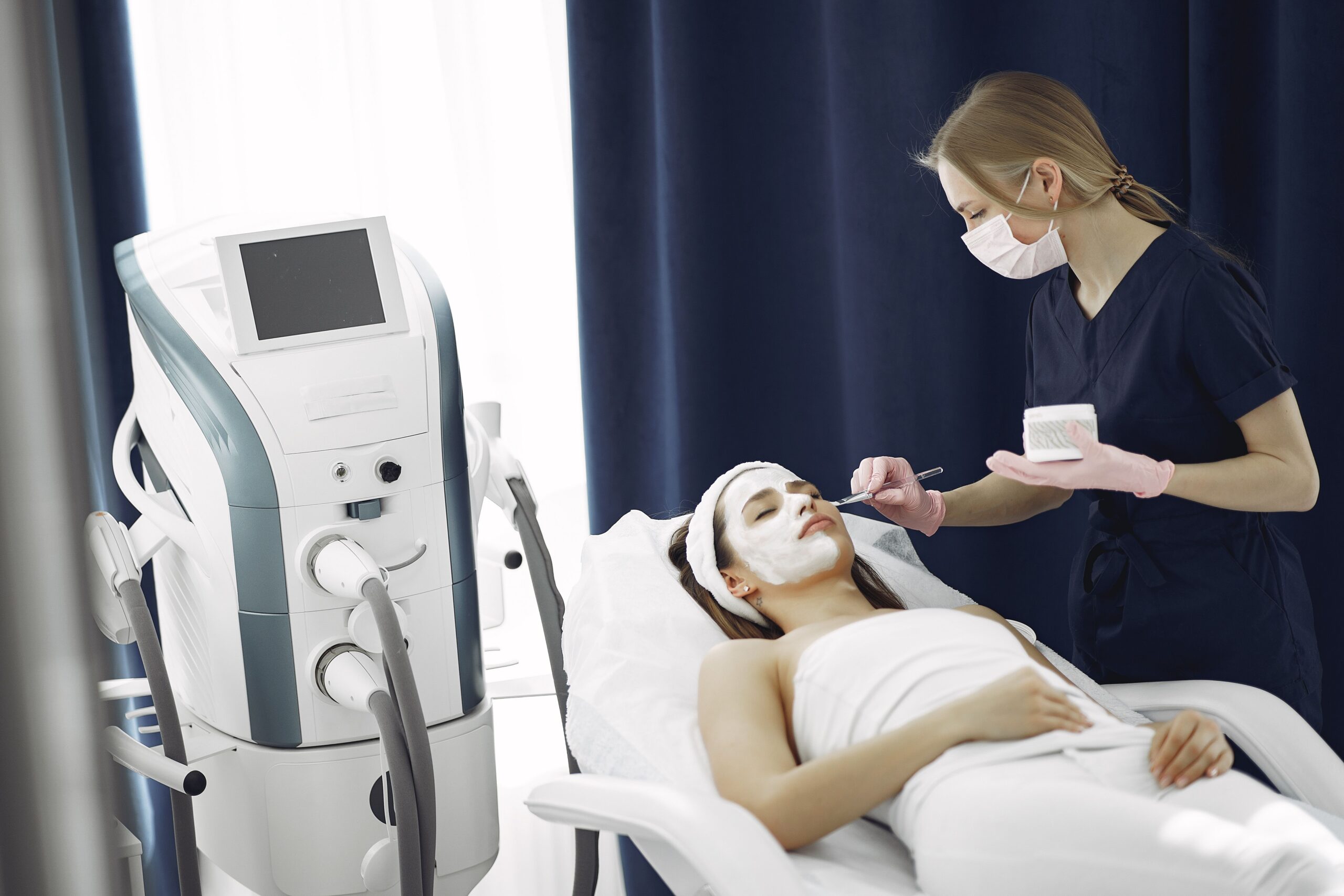
Through our dedicated Level 2 Clinical Practicum program, students work in small groups directly with certified instructors. In these focused sessions, you are not merely observing someone else work—you are actively performing procedures on live patient models supplied directly by the institute.
During these small-group practicums, instructors guide students through complete, real-world treatment protocols:
- Live Patient Intake & Contraindication Review: Reviewing patient medical histories, checking for photosensitizing medications, and confirming signed consent forms.
- Fitzpatrick Phototyping Assessments: Evaluating genetic background and UV response on live skin to choose safe, effective wavelengths.
- Machine Calibration & Room Prep: Setting fluences (J/cm²), pulse widths (ms), and spot sizes while verifying Nominal Hazard Zones (NHZ) and optical density (OD) eyewear.
- Delivering Supervised Pulses: Treating varied anatomical areas—including underarms, legs, bikini lines, face, and back—across diverse body contours.
- Post-Care Guidance & Upselling: Educating clients on sun avoidance, topical soothing agents, and cross-selling complementary clinical skincare modalities.
- Official State Documentation: Recording treatment parameters and securing authorized supervisor signatures on official TDLR treatment affidavits.
| Clinical Practicum Component | What Small Cohorts Allow | Why Large Classes Fail |
|---|---|---|
| Chart & Contraindication Review | Instructor walks through individual patient charts with you line-by-line. | Rushed group review; students miss subtle photosensitizing medication warnings. |
| Device Parameter Setup | Every student dials in fluences and spot sizes directly on machine consoles. | Instructor sets machine parameters; students never learn how to calibrate settings. |
| Hands-On Pulse Delivery | Extensive pulses administered across full anatomical zones on live models. | Students limited to firing a handful of pulses on a small patch of skin. |
| Feedback & Correction | Immediate real-time adjustment of handpiece tilt, skin tension, and glide speed. | Errors go unnoticed by instructors overseeing too many students at once. |
The Modular Pathway: From Didactic Science to Practicum Mastery
Small practical cohorts are the second phase of a comprehensive educational journey. Before entering the clinical suites, students establish their theoretical grounding in the classroom.
Step 1: Classroom Didactic Theory (Level 1)
Texas law mandates 40 hours of classroom education covering laser physics, biophysics, tissue optics, and ANSI Z136.3 safety standards. Through our Level 1: Laser Hair Removal Apprentice Didactic course, students master the science of selective photothermolysis, melanin absorption curves (Alexandrite, Diode, and Nd:YAG), and state jurisprudence, earning their Apprentice-in-Training credential.
Step 2: Hands-On 100-Treatment Practicum (Level 2)
With didactic foundations complete, students enter small clinical cohorts to complete their 100 hands-on treatments under direct supervision. Training on commercial multi-wavelength platforms with supplied models allows you to compile your logs efficiently and qualify for full technician licensing.
Step 3: Supervisory Leadership & State Examination (Levels 3 & 4)
As working technicians compile clinical hours, they can advance into our 8-hour Level 3: Senior Laser Hair Removal Technician Course, gaining supervisory authority over apprentices. Senior technicians then achieve the state’s highest operational tier through our Level 4: Professional Exam Course. Empower is an officially approved TDLR Certifying Entity, administering the proctored state exam directly on campus.
Broadening Your Clinical Capabilities Beyond Hair Reduction
While small class sizes are vital for laser hair removal, they are equally critical when learning advanced clinical skincare therapies. Modern medical spas favor well-rounded practitioners who can administer multiple complementary treatments.
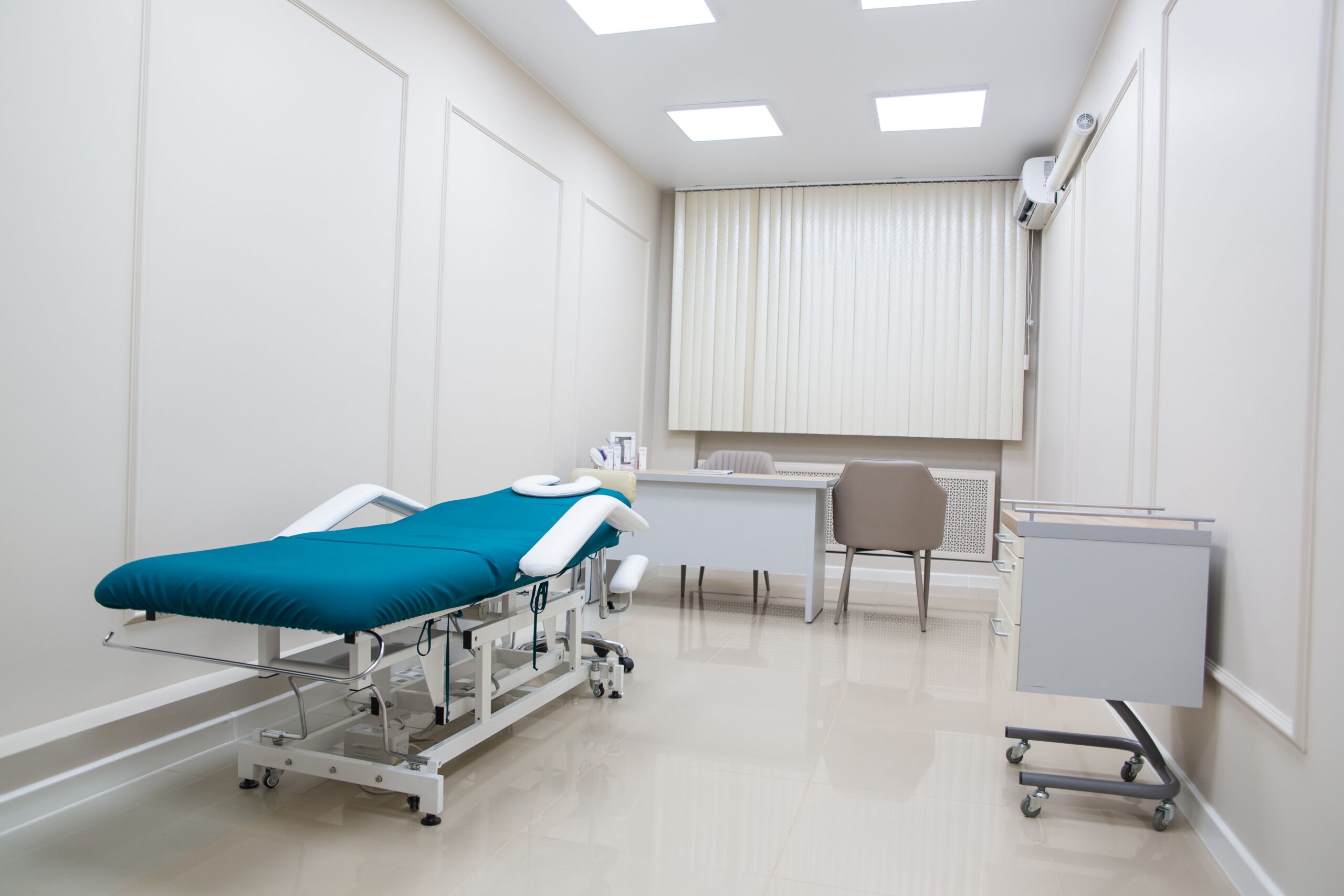
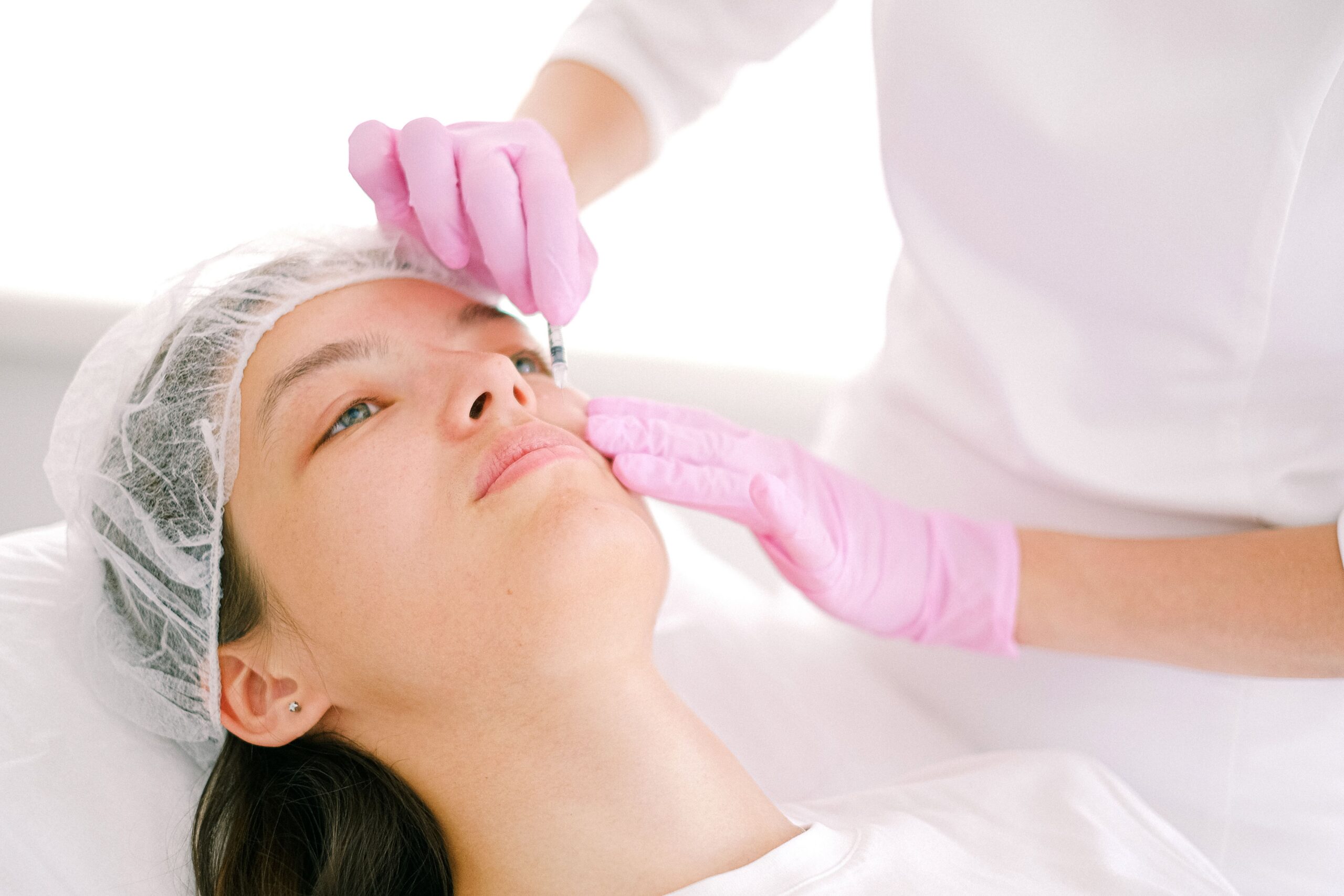
Empower offers small-group hands-on certifications in advanced medical spa skin rejuvenation therapies, including chemical peels, microneedling, dermaplaning, and IPL photofacials. For licensed medical providers—such as Registered Nurses (RNs) and Nurse Practitioners (NPs)—we deliver intensive, small-cohort hands-on medical aesthetic injectables training covering neurotoxins and facial anatomy mapping.
Institutional Accreditation: Protecting Your Educational Investment
Small class sizes are meaningful only when backed by legitimate, state-approved institutional oversight. Empower Health & Aesthetics Institute holds institutional accreditation from the Texas Workforce Commission (TWC), the same agency overseeing career schools and state colleges across Texas.
TWC accreditation certifies that our curriculum clock hours, physical clinical suites, instructor credentials, and student consumer protections adhere strictly to Texas Education Code standards. You can evaluate our transparent tuition structures in our detailed guide on the cost of laser hair removal certification in Texas or explore our complete courses and pricing catalog. To make education accessible, Empower also partners with tuition lenders like Coach Financing to offer flexible monthly repayment options.
Key Questions to Ask Admissions About Class Size
When evaluating aesthetic schools, ask these direct questions to ensure you receive genuine hands-on instruction:
- “What is the maximum student-to-instructor ratio in your hands-on clinical suites?” (Look for 2 to 4 students per device).
- “Does the school supply live patient models for my 100 treatment logs, or am I expected to find my own?”
- “How many hours of actual handpiece time will I personally receive during clinical training?”
- “Are clinical treatments supervised directly on-site by licensed Senior Technicians or Laser Professionals?”
- “Does the tuition include all clinical supplies, disposables, and protective eyewear without hidden fees?”
Experience Personalized Clinical Training at Empower
Your ability to succeed in medical aesthetics depends on the quality of your hands-on clinical repetition. Training in small, focused cohorts ensures you receive the individualized instruction, muscle memory, and device familiarity necessary to treat patients safely and secure high-paying positions in top medical spas. Empower Health & Aesthetics Institute invites you to visit our modern campuses in Dallas and Fort Worth, meet our clinical faculty, and tour our state-of-the-art laser suites. Visit our admissions and campus visit page to learn about upcoming course schedules or book an in-person tour. When you are ready to master medical aesthetics with personalized clinical instruction, connect directly with Empower Health & Aesthetics Institute or call our admissions team today at 214-272-0026.